Skip to content
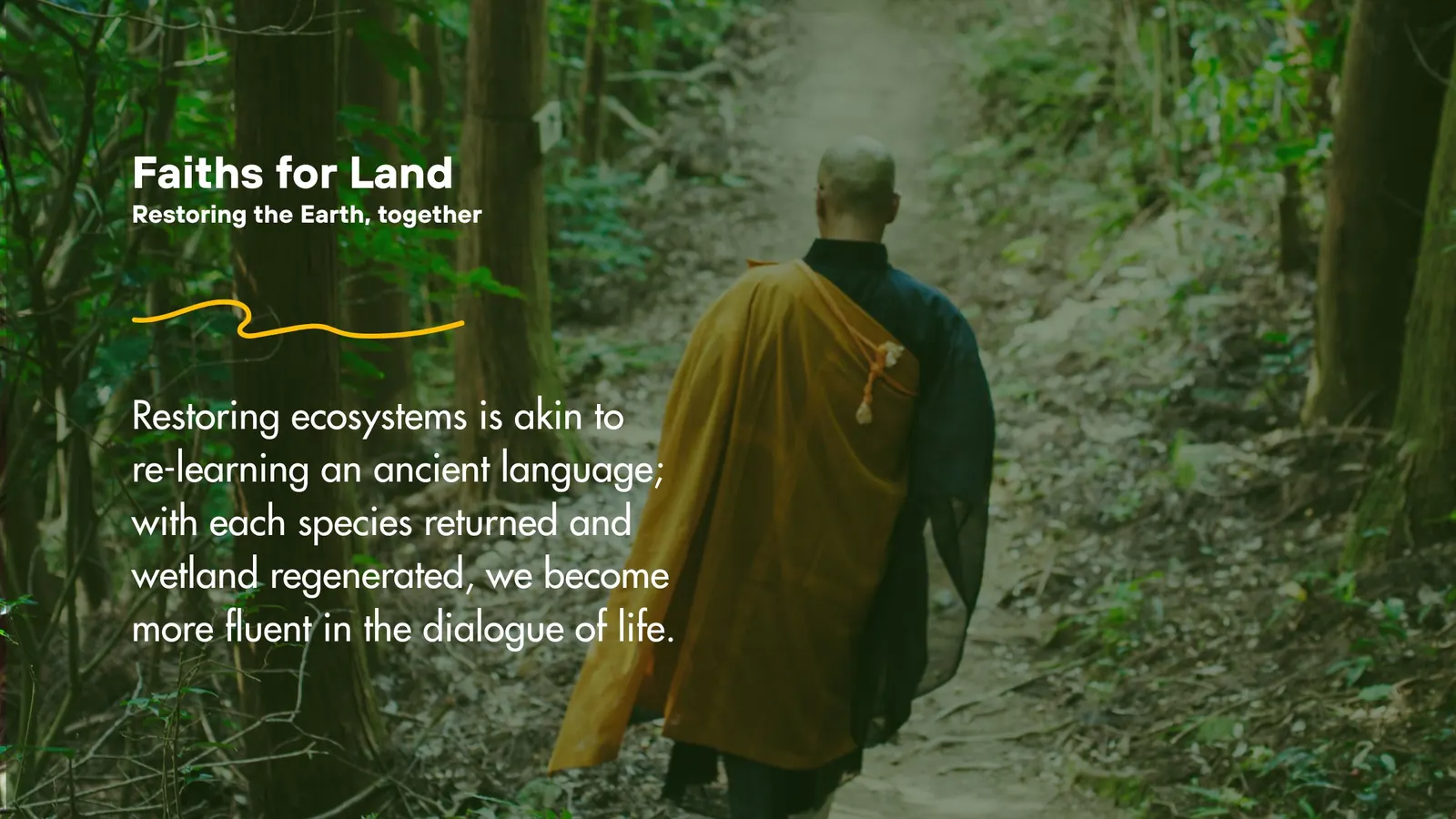
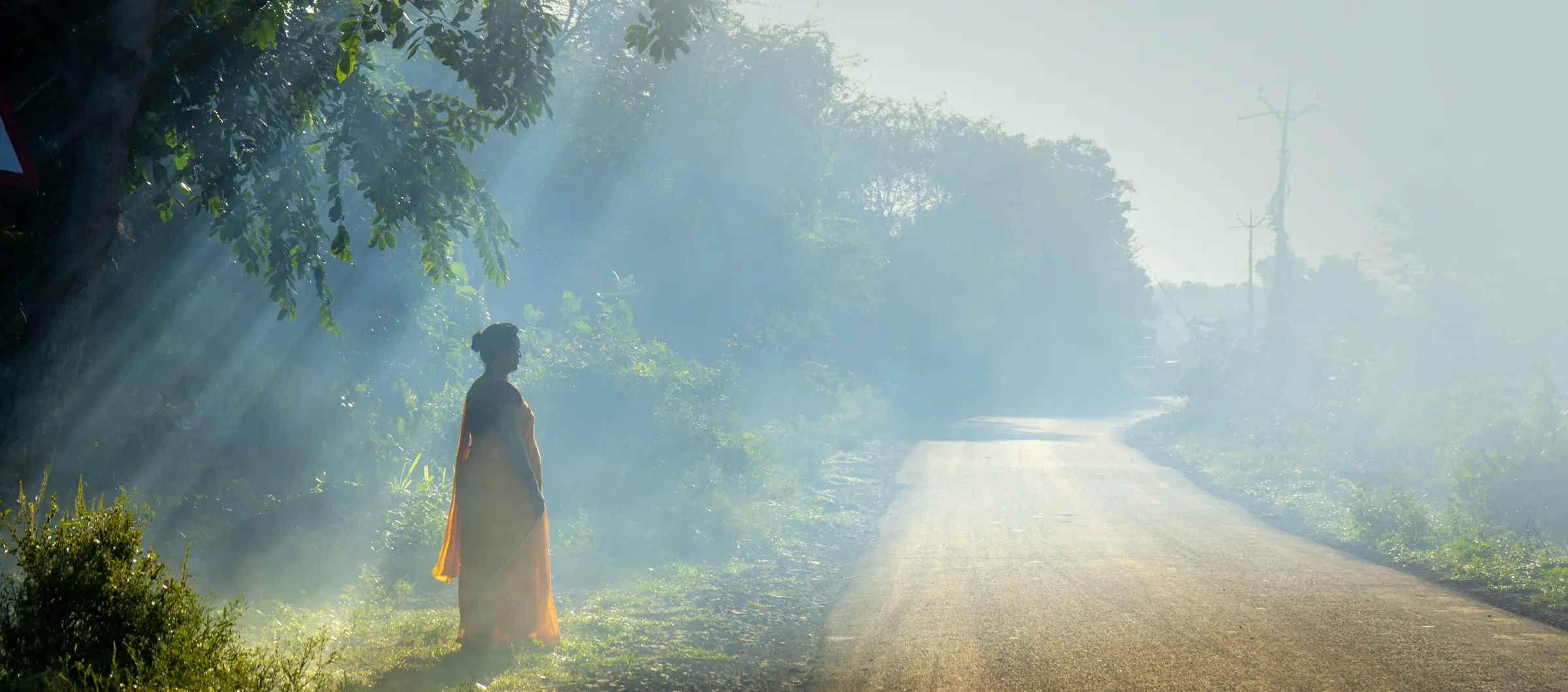
A figure in robes walks a forest road in the morning light

Learn to restore land, rooted in your faith.

A free online masterclass for faith communities, in nine modules you can take at your own pace.

Faith communities care for around 8% of the world’s habitable land. This masterclass shows you how to restore the land in your care, and helps you build a plan your community can start on straight away.

Created by the G20 Global Land Initiative with the UNCCD, and co-developed with WWF using the Faith Tree Growing curriculum from WWF and Trillion Trees.

G20 Global Land Initiative and UNCCD WWF Trillion Trees, a partnership of WCS, WWF and BirdLife International
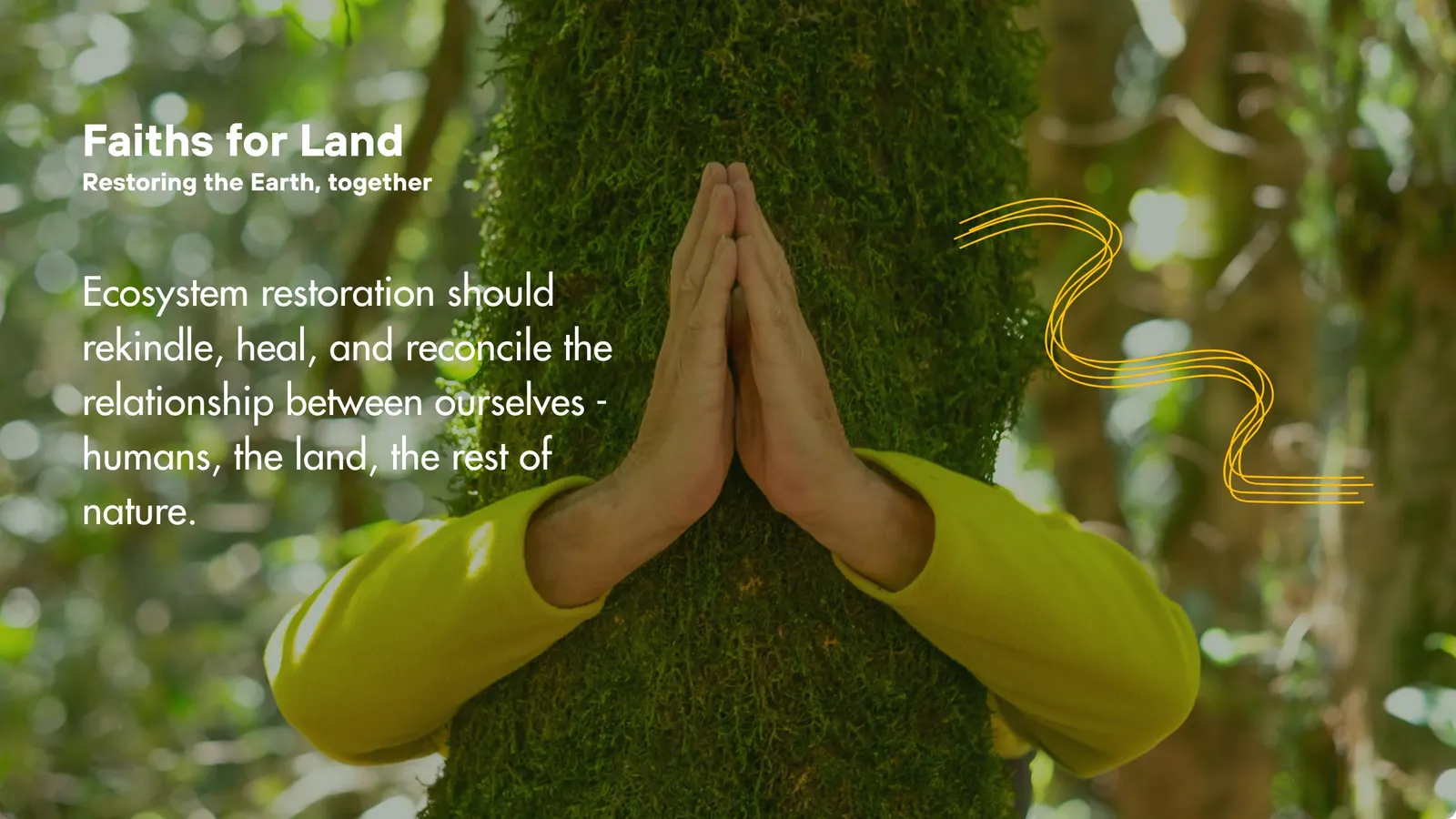
Ecosystem restoration should rekindle, heal, and reconcile the relationship between ourselves: humans, the land, the rest of nature.
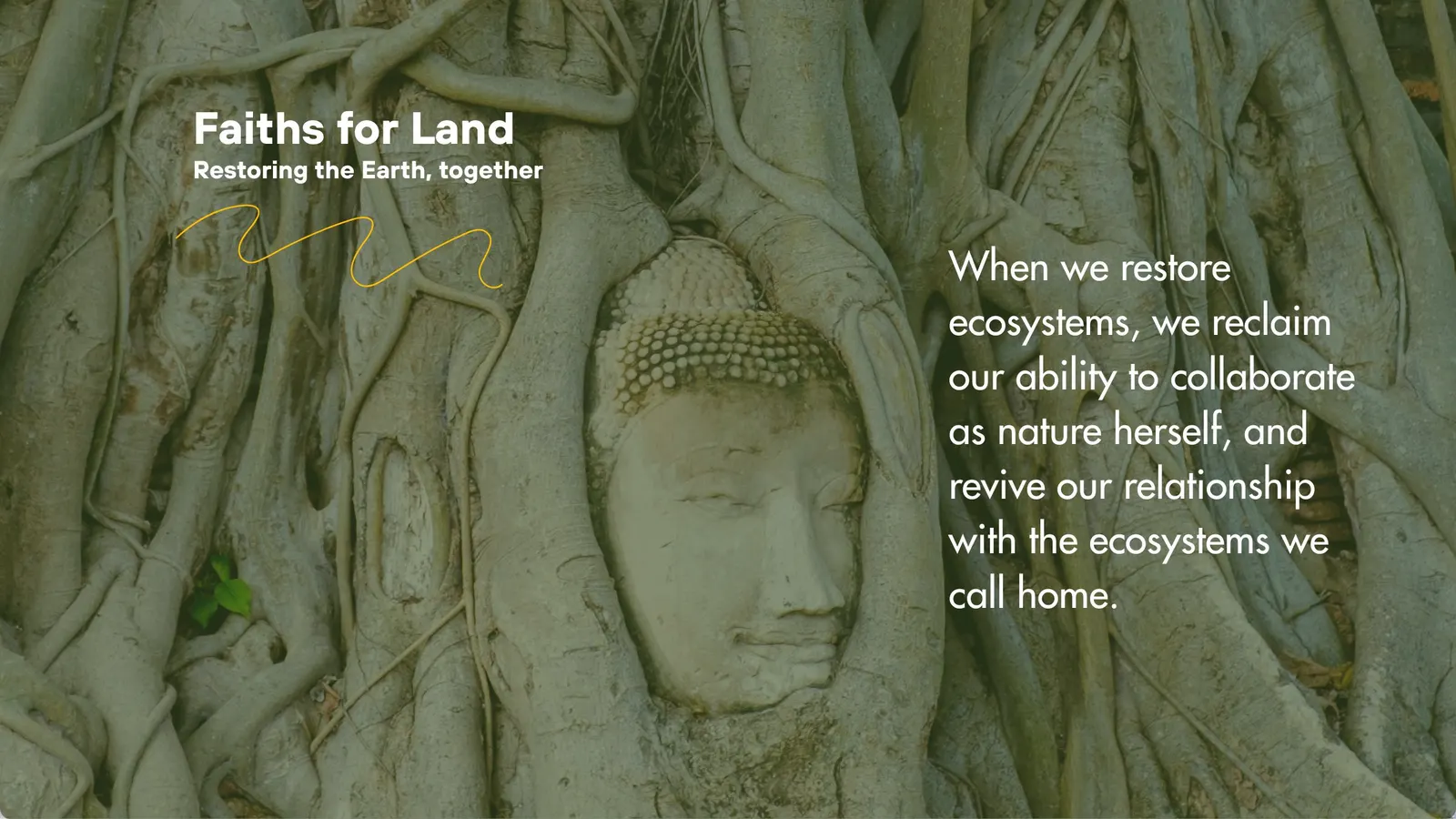
When we restore ecosystems, we reclaim our ability to collaborate as nature herself, and revive our relationship with the ecosystems we call home.
Restoring ecosystems is akin to re-learning an ancient language; with each species returned and wetland regenerated, we become more fluent in the dialogue of life.
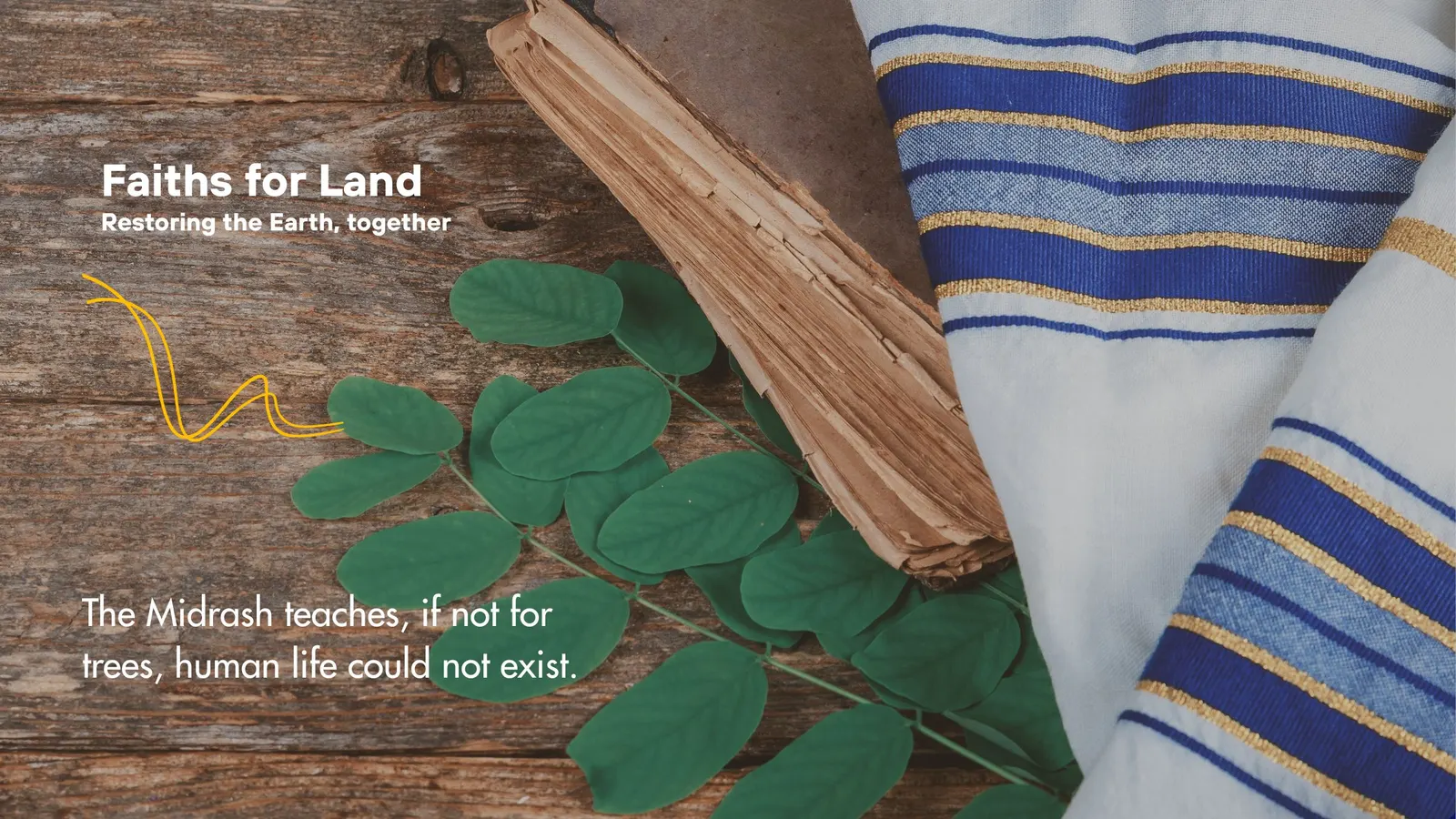
The Midrash teaches, if not for trees, human life could not exist.
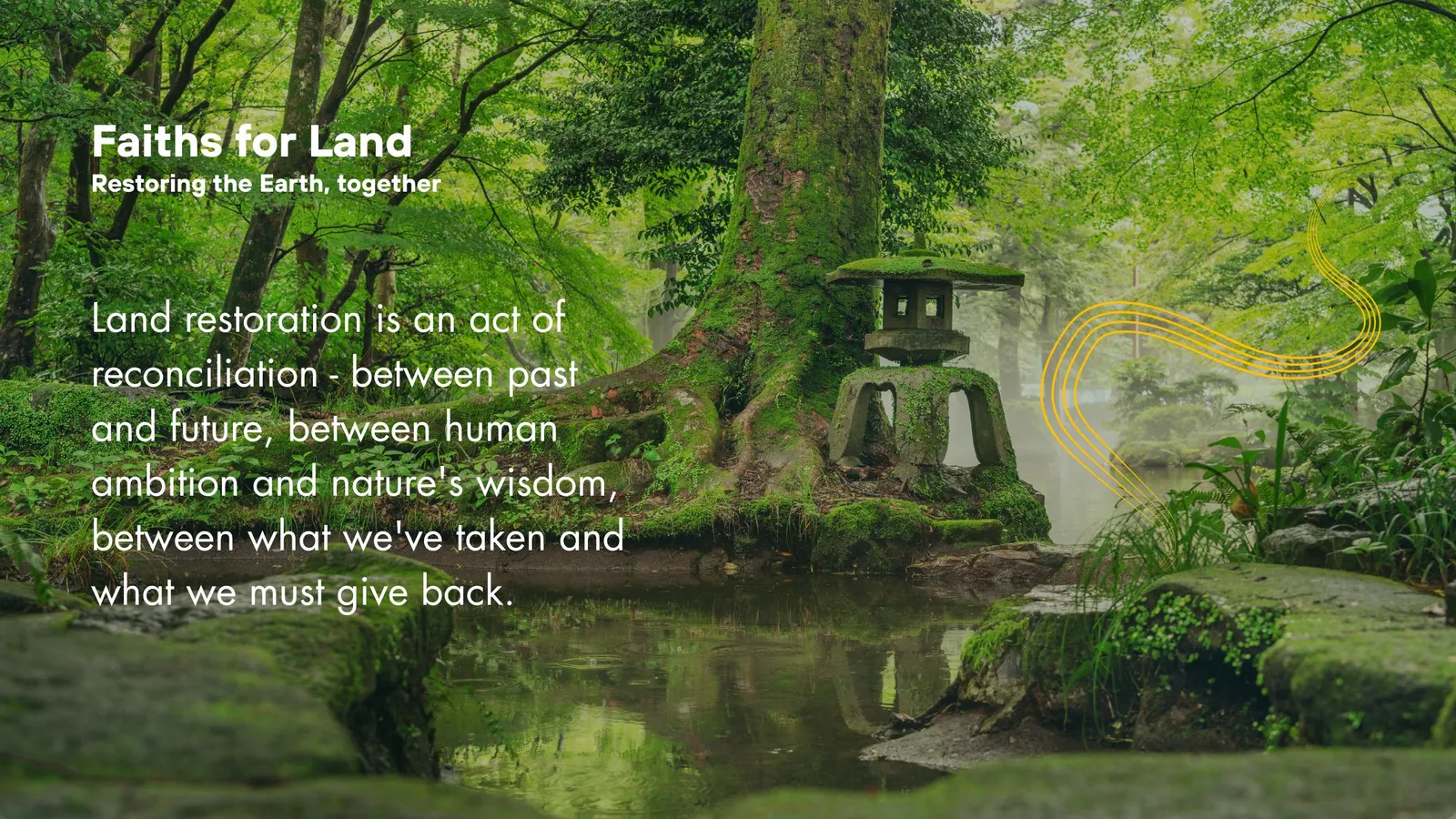
Land restoration is an act of reconciliation: between past and future, between human ambition and nature’s wisdom, between what we’ve taken and what we must give back.

1 / 5

What you will learn

Nine modules, each with a short video talk, a reflection, a quiz and one part of your action plan.

01 Welcome & Global Context
  • Understand the scale of global land degradation and its impacts
  • Recognize the G20 Global Land Initiative and its 2040 targets
  • Appreciate why faith communities are essential partners in land restoration

Going deeper: The Restoration Economy: Facts & Figures

02 What is Restoration & Why Faith Matters
  • Define ecosystem restoration and distinguish it from tree planting
  • Understand the restorative continuum from reducing impacts to full recovery
  • Recognize the 10 UN Decade Principles for Ecosystem Restoration
  • Articulate why faith communities bring unique strengths to restoration

Going deeper: The G20 Global Land Initiative & Land Degradation Neutrality

03 Agree Your PurposeStep 1
  • Facilitate inclusive discussions to define a shared purpose for tree growing
  • Draft a vision statement and purpose statement for a restoration initiative
  • Begin completing Section 1 of the Faiths for Land Worksheet

Going deeper: Participatory Visioning in Multi-Faith Settings

04 Build Your PartnershipStep 2
  • Conduct stakeholder mapping to identify potential partners
  • Understand the value of interfaith and cross-generational collaboration
  • Establish a core team and formal partnership agreements

Going deeper: Faith as a Bridge-Builder in Land Governance

05 Develop Your PlanStep 3
  • Select appropriate native tree species based on purpose and local conditions
  • Identify suitable planting sites considering rights, access, and biophysical conditions
  • Develop a budget and timeline for the restoration initiative
  • Source seedlings and saplings sustainably

Going deeper: Ecosystem-Based Approaches to Restoration Planning

06 Implement Your PlanStep 4
  • Develop strategies for securing diverse funding sources
  • Organize effective volunteer engagement and rotation systems
  • Apply adaptive management when implementation challenges arise
  • Give constructive feedback on a peer's restoration plan

Going deeper: Funding Restoration: From Grants to Green Bonds

07 Stewardship & MonitoringStep 5
  • Design a practical monitoring plan with baseline data collection
  • Track key indicators: survival rate, growth, species health, biodiversity return
  • Use monitoring data to adapt and improve your restoration approach

Going deeper: Community-Based Monitoring for Land Degradation Neutrality

08 Share & ConnectStep 6
  • Develop a communication strategy to share your restoration journey
  • Connect your initiative to global platforms and networks
  • Inspire other faith communities to begin their own restoration journeys

Going deeper: Storytelling for Impact: From Local to Global

09 Your Action Plan & Next Steps
  • Review and self-assess your completed Faiths for Land Action Planning Worksheet
  • Identify your first three concrete actions for the next 30 days
  • Present your initiative in a 2-minute pitch (optional)
  • Connect with the global Faiths for Land community for ongoing support

Going deeper: From Restoration to Restoration Business: Sustainability Beyond Grants

Tree roots grow over the stones of an ancient temple

By the end of the course, you will have more than a certificate.

A plan you can use

A completed action plan for your community, covering your purpose, your partners, your site, your budget and your first steps.
A certificate

A certificate of completion from the G20 Global Land Initiative, UNCCD and WWF’s Beliefs and Values Programme.

People to learn with

A small circle of fellow participants to share ideas and questions with as you go.

A global network

A place in a network of 521 faith-led restoration projects across 84 countries, and the partners who support them.

Why faith communities matter to land

Figures from the G20 Global Land Initiative Faith Stocktake and the Faiths for Land map.

A small mosque surrounded by jungle in Sumatra
  • 8% of the world’s habitable land is cared for by faith institutions
  • 650 million people are reached by faith institutions
  • 521 faith-led restoration initiatives are on our map
  • 84 countries have at least one of them
A chapel stands in a lush green forest

How the course is built

  1. Modules 1 and 2

    Foundation

    Why land matters, how much has been lost, and why faith communities are central to bringing it back.

  2. Modules 3 to 8

    The six steps

    One module for each step of the Faith Tree Growing framework, from agreeing your purpose to sharing what you learn.

  3. Module 9

    Your plan

    Everything comes together in a 30-day action plan, and you connect with others doing the same work.

Key dates

  • 1 October 2026All nine modules open
  • 5 October 2026Live opening session on Zoom, 3:00pm CEST
  • 30 November 2026Live closing session on Zoom, 3:00pm CET
  • 14 December 2026Finish all nine modules to receive your certificate

The masterclass is open

Create a free account and start the first module today, at your own pace.

Already have an account? Sign in